

Office 2016 is a widely used productivity suite, yet one of the common challenges faced by users and IT administrators is dealing with kms office 2016 activation errors. Understanding these errors and how to address them can streamline operations and ensure that the software is used efficiently across organizations. The intricacies of managing such a pivotal system require an in-depth understanding of both the technical aspects and the administrative oversight necessary to keep everything running smoothly.
Understanding KMS and Its Role in Office 2016 Activation
The Key Management Service (KMS) plays a crucial role in managing the activation of Microsoft products in a corporate environment. For office 2016 activator processes, KMS provides a way to automate the activation for devices within a network. This method is particularly useful for volume licensing scenarios where numerous installations occur. By automating this process, organizations can save significant time and resources that would otherwise be spent on individual activations.
Common KMS Activation Errors in Office 2016
Several issues might arise during the kms office 2016 activation process. One frequent error relates to DNS misconfigurations, which prevent proper communication between client machines and the KMS server. Another common error involves synchronization problems between the client’s system clock and the activation server’s clock. These issues can cause significant disruptions if not addressed promptly. Addressing these challenges often requires a keen eye for detail and an understanding of network configuration nuances.
Analyzing Error Codes Related to KMS Office 2016
Error codes can reveal much about what went wrong during an activation attempt. For example, error code “0xC004F074” indicates that no KMS could be contacted, often because of network issues or incorrect DNS settings. Understanding these codes helps in developing a strategy to resolve these issues effectively. Other codes may point towards firewall blockages or outdated client settings. Each code is essentially a clue that guides IT specialists toward finding an efficient solution.
Using Built-in Tools for Troubleshooting
Microsoft provides several tools that are invaluable when diagnosing kms office 2016 activation issues. The Volume Activation Management Tool (VAMT) allows administrators to manage product keys and monitor activations within their network. Commands like slmgr.vbs /dlv provide detailed information on license status to aid troubleshooting. These tools are essential for identifying root causes quickly and ensuring that all systems remain compliant with licensing requirements. Being equipped with these tools enhances the capability to manage large-scale deployments effectively.
Strategies for Correcting Common Errors
Resolving kms office 2016 errors often begins with verifying network configurations and ensuring that all DNS entries are correct. Adjusting the time settings on the clients to match those on the server might solve synchronization-related errors. Utilizing logs generated by Windows Event Viewer can also pinpoint specific failures during the activation process, offering clues to underlying problems that need resolution. A structured approach ensures that each potential issue is addressed methodically, reducing downtime significantly.
The Role of VM Environments in Testing Activations
Virtual Machines (VMs) provide a controlled environment where IT professionals can simulate kms office 2016 activations without affecting live systems. A typical lab constraint might include setting up a VM with 2 vCPUs and 4 GB RAM to efficiently test various scenarios before deployment in production environments. This approach allows for extensive testing of different configurations, ensuring that potential issues are identified early. Such proactive testing is instrumental in preventing disruptions when new updates or changes are rolled out.
Best Practices for License Management
Managing licenses effectively involves keeping track of all activations and ensuring compliance with Microsoft’s licensing terms. Regular audits using tools like VAMT help maintain oversight over activations within large networks, preventing oversights that could lead to non-compliance. It is also beneficial to document all changes meticulously, as this creates a reliable reference point for future evaluations. Consistent documentation helps build a knowledge base that can be invaluable when training new staff or refining existing protocols.
Preventive Measures and Long-term Solutions
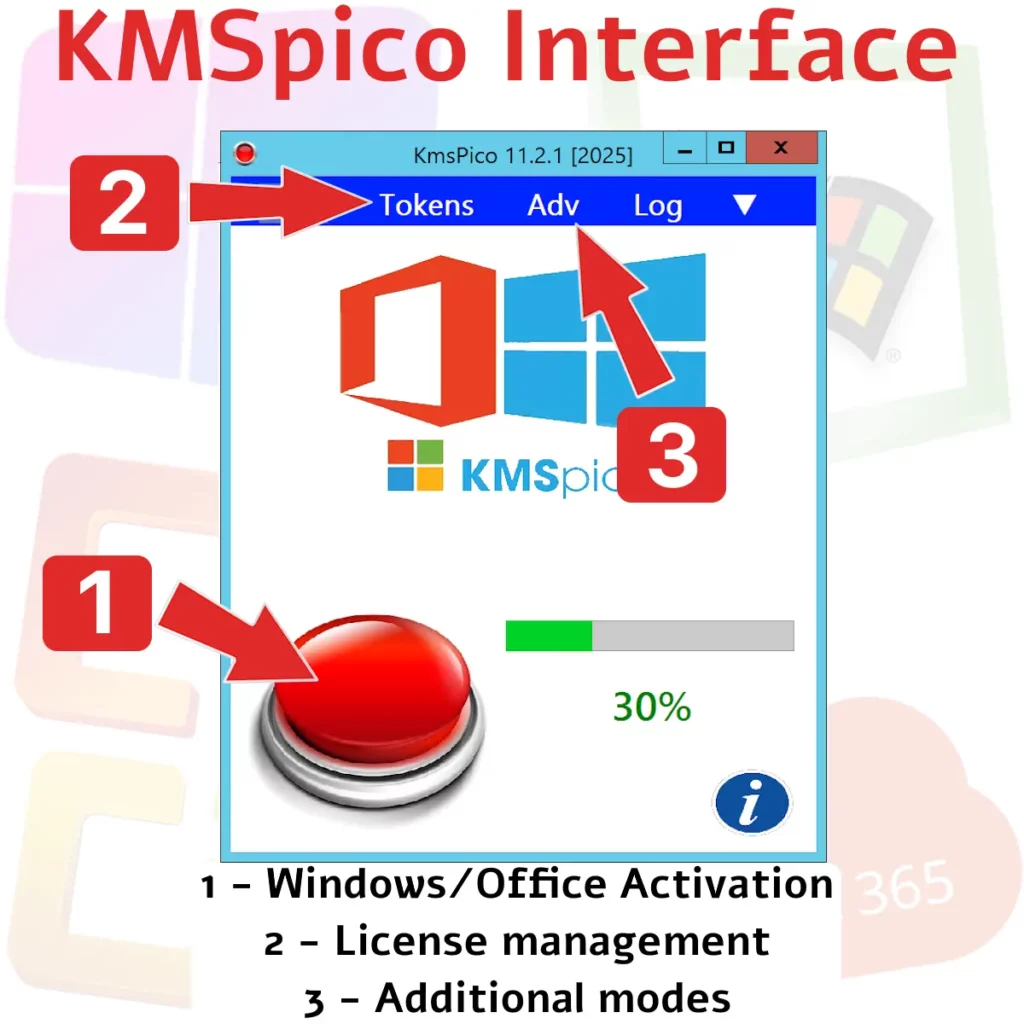
The ongoing management of kms office 2016 involves not only troubleshooting immediate issues but also implementing preventive measures. Ensuring robust documentation of licensing records and regular training for IT staff on kmspico office 2016 protocols can mitigate future problems significantly. Maintaining an updated knowledge base regarding activation procedures helps reduce downtime caused by recurring errors. This forward-thinking approach ensures continuity and efficiency within organizational operations.
- Regularly update all systems involved in the licensing process to protect against vulnerabilities.
- Utilize monitoring tools to keep tabs on activation server health, ensuring consistent performance.
- Create snapshots before major updates to avoid disruptions and facilitate quick recovery if needed.
- Implement routine checks of network configurations to ensure optimal communication with KMS servers.
Adopting Automation for Ease of Management
The use of automation scripts can simplify repetitive tasks associated with kms office 2016 activations, reducing manual input errors and improving efficiency. Scripts can automate tasks such as checking key validity or renewing expired product keys across multiple machines. Automation reduces administrative overhead and allows IT staff to focus on more strategic initiatives. By streamlining these processes through automation, organizations can allocate resources more effectively while maintaining high standards of operational efficiency.
The Future of Office Activation Frameworks
With evolving technologies and newer versions of Office being released, understanding kms office 2016 serves as a foundation for adapting to future frameworks, including potential shifts towards cloud-based solutions offered by Microsoft. Staying informed about changes in license management platforms ensures seamless transitions for organizations heavily reliant on these systems. Preparing for these changes involves continuous learning and adaptation as new features become available.
A proactive approach towards managing kms office 2016 ensures long-term success in maintaining efficient operability across all organizational levels. By embracing new technologies while mastering current ones, organizations position themselves advantageously in an ever-changing technological landscape. This adaptability not only enhances productivity but also secures an organization’s competitive edge as it navigates through technological advancements.